
-
×
 Custom Book Boxes 1 × $0.22
Subtotal: $0.22
Subtotal: $0.22
$0.15
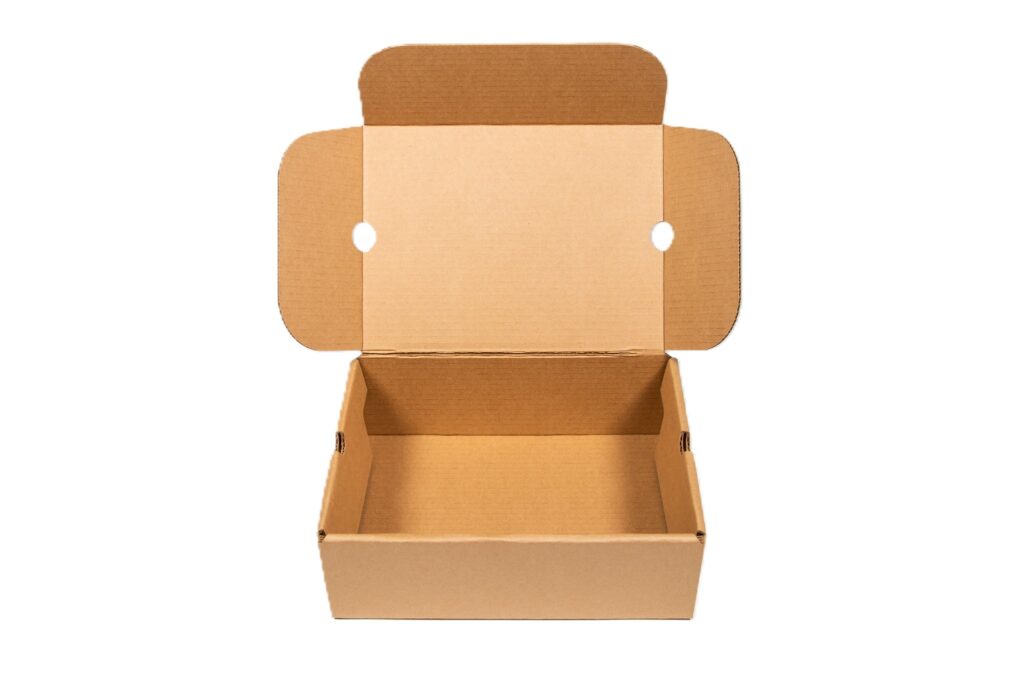
Die cut corrugated boxes are a versatile packaging solution designed to provide accurate dimensions, distinctive shapes, and dependable product protection. Manufactured from corrugated cardboard and formed using precision cutting patterns, these boxes can incorporate custom folds, locking tabs, handles, windows, inserts, and specialized closures. This makes them suitable for businesses that need packaging designed around the exact requirements of their products.
Unlike basic stock cartons, die cut packaging can be engineered to follow specific product dimensions and structural requirements. The result is a box that can improve product fit, simplify assembly, enhance presentation, and provide reliable protection during storage and transportation.
The corrugated construction combines strength with relatively low weight. Its fluted interior layer helps absorb everyday impacts and provides rigidity, while the outer linerboards create a durable surface for printing and finishing. Businesses can select different board strengths depending on the product’s weight, fragility, and intended distribution environment.
From eCommerce shipments and retail merchandise to food products, electronics, cosmetics, and promotional items, die cut corrugated boxes offer the flexibility needed for a wide variety of packaging applications.
Die cut corrugated boxes are cartons manufactured using a specialized cutting die that creates precise outlines, creases, slots, folds, and structural features in corrugated board.
The die cutting process allows packaging manufacturers to produce consistent shapes and dimensions across production runs. This is especially useful when a product requires a non-standard box design or when conventional folding cartons cannot provide the desired fit.
A die cut design can include features such as:
These features can be combined to create packaging that is both functional and visually distinctive.
The primary advantage of die cut corrugated packaging is design flexibility. Instead of choosing a box based solely on standard dimensions, businesses can develop a structure around the product and its intended use.
Important benefits include:
A well-designed box can reduce unnecessary empty space, improve product stability, and make packaging easier for employees and customers to handle.
Consistency is important when packaging is produced at commercial volumes. Small variations in box dimensions can affect product fit, assembly, stacking, and presentation.
Die cutting creates repeatable cutting and creasing patterns, allowing each box to follow the same structural specifications. This can help businesses maintain consistent packaging across multiple production batches.
Precise folds can also make assembly more predictable. When panels and crease lines are accurately positioned, employees can form the box more efficiently and reduce the likelihood of incorrect folding.
For businesses processing high order volumes, consistency can contribute to smoother packaging operations.
Die cutting determines the box’s shape, while corrugated material provides much of its structural strength.
Corrugated board consists of paper-based linerboards combined with a fluted interior layer. The fluting creates space between the outer layers, helping provide rigidity and cushioning while keeping the overall package relatively lightweight.
Different board constructions can be selected according to application requirements. Lightweight products may require a different specification from heavier merchandise or products traveling through demanding distribution networks.
When choosing a die cut box, businesses should consider:
Selecting the appropriate material helps balance protection, weight, and packaging cost.
One of the biggest advantages of die cut packaging is the ability to create shapes that are not possible with basic stock cartons.
A product may have unusual dimensions, curved edges, protruding components, or accessories that need dedicated spaces. Die cut construction allows the box to be designed around these characteristics.
Custom structures can help:
This makes die cut corrugated packaging especially useful for businesses selling products with distinctive shapes or specialized packaging requirements.
Online retailers need packaging that protects products throughout shipping while creating a positive unboxing experience. Die cut corrugated boxes can address both needs.
A custom-fit structure can help keep merchandise secure during transportation. When the internal dimensions closely match the product, there may be less room for unnecessary movement.
Custom closures can also eliminate the need for additional packing materials in some applications. Tuck flaps, locking tabs, and integrated features can make the package convenient to open and close.
The exterior can be printed with branding, product information, handling instructions, or promotional graphics, turning the shipping package into part of the customer experience.
Retail products compete for attention on crowded shelves. Packaging needs to protect the merchandise while communicating important information and supporting visual merchandising.
Die cut corrugated boxes can be designed with display features, windows, handles, or distinctive silhouettes to help products stand out.
Retail applications include:
A carefully designed structure can improve both shelf presentation and customer interaction.
Handles are a useful feature for products that customers may need to carry after purchase.
A die cut handle can be integrated directly into the corrugated structure, eliminating the need for a separate carrying component in suitable applications.
Handle designs can be positioned according to the product’s weight distribution and box dimensions. The surrounding area may also be reinforced when necessary to improve carrying performance.
This feature is particularly useful for:
The exact handle design should be selected based on the product’s weight and expected handling conditions.
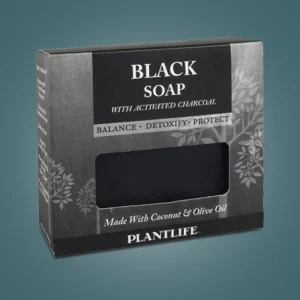
Some products benefit from being visible before the package is opened. Die cut corrugated boxes can incorporate windows or display openings where appropriate.
A window can allow customers to see the product while the surrounding corrugated structure continues to provide support.
This approach can be effective for:
For food-related packaging, any transparent window material and construction should be selected according to the intended application and applicable requirements.
Some products require more than an outer box. Fragile or multi-component items may need internal structures to prevent movement.
Die cut corrugated inserts can be designed to fit inside the main box. These inserts can create individual compartments or support specific parts of a product.
Internal structures may be useful for:
By positioning products securely, inserts can help reduce movement and improve the presentation when the package is opened.
Corrugated packaging is widely used for various food-related applications. Die cut structures can be particularly useful when food businesses need specific dimensions, compartments, or display features.
Potential applications include:
For direct food-contact applications, businesses should confirm that the selected board, coating, ink, adhesive, and other components meet the requirements of the intended use.
When food is placed inside a separate food-safe container or liner, the corrugated box may serve as secondary packaging for transportation and presentation.
The exterior of a corrugated box provides valuable space for communication. Die cut packaging can be printed with branding and product information while maintaining the custom structural design.
Businesses can use packaging surfaces for:
Good packaging design balances structural features with visual communication. The cutting pattern, folds, printing, and finishing should work together rather than compete with one another.
Finishing can add another level of visual appeal to die cut corrugated packaging.
Depending on the packaging specification, businesses may consider options such as:
The appropriate finish depends on the desired appearance, product requirements, printing process, and intended environment.
For packaging used in demanding shipping conditions, durability should remain a priority when selecting decorative treatments.
Die cut boxes can be designed with integrated folds and locking features that simplify assembly.
A well-engineered box should transition from a flat sheet to a finished container with minimal effort. This can help employees prepare orders more quickly and reduce packing complexity.
Depending on the structure, boxes may use:
The best closure depends on how frequently the box will be opened, how it will be transported, and how the product needs to be accessed.
Like many corrugated packaging formats, die cut boxes can often be supplied and stored flat. This can reduce the amount of warehouse space required before the packaging is used.
Flat storage can benefit businesses that purchase packaging in bulk or operate with limited storage capacity.
When needed, employees can form the boxes according to the pre-scored folding pattern. This approach allows businesses to maintain packaging inventory without filling storage areas with assembled cartons.
Corrugated cardboard is a paper-based packaging material commonly collected through recycling systems. Businesses interested in more sustainable packaging can consider recyclable corrugated materials and right-sized designs.
Die cutting can also support efficient material planning by allowing packaging structures to be designed specifically around product dimensions.
However, sustainability should be considered across the complete packaging system. Coatings, adhesives, inks, windows, inserts, and contamination can influence recycling outcomes.
Businesses should verify the specific material composition and local recycling requirements before making environmental claims about a particular packaging product.
Selecting the right die cut box starts with understanding the product.
Measure the product’s length, width, and height. If the package will include protective wrapping, inserts, or multiple components, include those elements in the dimensional planning.
Next, consider the product’s weight and fragility.
Important factors include:
Product size: The internal dimensions should accommodate the product without creating excessive movement.
Product weight: Select a corrugated board specification appropriate for the total load.
Protection: Determine whether inserts, dividers, or cushioning are required.
Closure: Select a secure closure that is convenient for the intended user.
Branding: Decide how much printing and visual communication the package requires.
Shipping: Consider handling, stacking, and transportation conditions.
Storage: Determine how many flat boxes need to be stored before assembly.
These factors help create packaging that performs effectively from production through delivery.
Custom packaging gives businesses greater control over the structure, dimensions, appearance, and functionality of their boxes.
At customproductboxes.com, businesses can develop die cut corrugated packaging around their product specifications, branding requirements, and intended application.
Custom die cut packaging can help businesses:
The objective is to create packaging that works as part of the entire product and fulfillment process rather than simply serving as an outer container.
Die cut corrugated boxes are custom-shaped cartons produced using precision cutting and creasing patterns. They can include specialized folds, closures, handles, windows, inserts, and other structural features.
Die cutting provides precise and repeatable shapes, allowing manufacturers to create packaging with custom dimensions and structural features that may not be practical with standard box designs.
Yes. Businesses can customize the dimensions, shape, closure, handle, window, insert, printing, board strength, and other structural features.
Their strength depends on the selected corrugated board construction and box design. Appropriate board grades can be chosen according to product weight, fragility, and shipping requirements.
Yes. Die cut corrugated boxes can be designed for shipping applications when the structure and board specification are appropriate for the product and expected handling conditions.
Yes. Logos, graphics, product information, promotional messages, and other artwork can be printed on suitable corrugated surfaces.
Many corrugated boxes are recyclable through appropriate cardboard recycling systems. Recyclability can vary depending on coatings, adhesives, windows, contamination, and local recycling infrastructure.
Die cut corrugated boxes provide businesses with a flexible way to combine precise construction, product protection, convenient functionality, and professional presentation. Their custom cutting and creasing capabilities allow businesses to create packaging with specialized closures, handles, windows, inserts, and unique shapes.
From eCommerce shipping and retail merchandise to food products, electronics, gifts, and promotional items, these boxes can be adapted to a wide range of applications. Selecting the right dimensions, board strength, structural features, printing, and finishing helps ensure that the finished packaging supports both product safety and customer experience.

Reviews
There are no reviews yet.